ICOM IC-A25N Handheld NAV/COM Transceiver w/ Bluetooth – Open Box: Reliable NAV/COM Performance
ICOM IC-A25N Handheld NAV/COM Transceiver w/ Bluetooth – Open Box: Reliable NAV/COM Performance
Blog Article
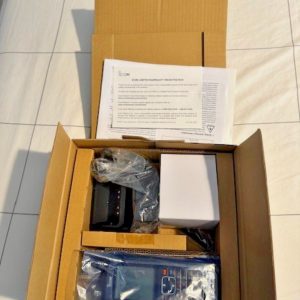
:::writingvariant="document" id="58314" ICOM IC-A25N Handheld NAV/COM Transceiver w/ Bluetooth – Open Box: Advanced Pilot Communication The ICOM IC-A25N Handheld NAV/COM Transceiver w/ Bluetooth – Open Box offers practical cockpit, emergency, training, and ground-use functionality in a compact handheld format. An open-box ICOM transceiver can be attractive to buyers who want dependable features while reducing the cost of purchasing professional aviation equipment. An ICOM IC-A25N Handheld NAV can support pilots who need a portable radio for cockpit backup, preflight monitoring, flight training, and general aviation communication. The ICOM IC-A25N Aviation Radio is relevant to pilots who need dependable access to aviation frequencies while operating in the cockpit or around an airport. The compact ICOM IC-A25N Handheld Radio may be especially useful for pilots who operate multiple aircraft or frequently travel between airports and training locations. The Handheld NAV/COM Aviation Transceiver format offers useful flexibility to pilots who want one compact tool for several operational requirements. Whether the device will function as a Handheld Aviation Radio, Aviation NAV/COM Radio, Pilot Handheld Radio, or Aircraft Communication Radio, users should become familiar with its controls before relying on it. For many operators, the radio can combine the roles of Portable Aviation Transceiver, Aviation Communication Device, Handheld Aircraft Radio, and emergency backup equipment.
Why Pilots Choose the ICOM IC-A25N Handheld Radio
A multifunction handheld radio can provide useful redundancy and flexibility for pilots who regularly operate in different aircraft or environments. The device may help pilots reduce equipment clutter by integrating several useful capabilities into one flight-bag-friendly radio. A handheld radio can provide valuable support, but performance may depend on antenna position, aircraft structure, terrain, distance, interference, battery condition, and operating environment. Training with the device can reduce delays and confusion when rapid communication becomes necessary.ICOM IC-A25N Handheld NAV Applications
The portable design allows pilots to become familiar with radio functions outside the aircraft before using the device in a busy operational environment. Flight schools can use portable radios to support classroom discussions, ramp communication, operational demonstrations, and backup planning. Navigation features should support rather than replace required pilot preparation, approved navigation equipment, current charts, and appropriate operational judgment. The radio should be stored securely so it does not interfere with controls, visibility, passengers, or emergency egress.Using the ICOM IC-A25N Aviation Radio
A portable aviation radio provides flexibility to owners, instructors, technicians, and operators who require communication across multiple aviation settings. The radio may also be useful at aviation events, remote airfields, flight schools, maintenance shops, aircraft demonstrations, and airport operations areas. The seller should identify any missing accessories, cosmetic marks, opened packaging, previous testing, warranty status, or differences from a factory-sealed package. A functional demonstration can confirm that the radio powers on, accepts charging, responds to controls, displays information, produces audio, and recognizes included equipment.ICOM IC-A25N Handheld Radio Portability
The ICOM IC-A25N Handheld Radio offers portable access to aviation communication functions without requiring permanent aircraft installation, wiring, panel space, or structural modification. Responsible storage preserves physical condition and improves the likelihood that the radio will function correctly when needed. Preparation outside the aircraft supports more confident, efficient, and less distracting use during actual operations. Proper storage temperature and periodic charging can help preserve long-term battery and equipment performance.Handheld NAV/COM Aviation Transceiver Benefits
The integrated format can reduce the need to carry separate handheld receivers for several common aviation tasks. The most suitable handheld radio is not necessarily the one with the longest feature list, but the one the pilot can operate confidently and maintain properly. Users should keep the operating guide accessible until they can manage essential functions without hesitation. Regular care supports reliable operation, protects resale value, and reduces the risk of missing components.Handheld Aviation Radio for General Aviation
A handheld aviation device can support monitoring and communication activities from the cockpit, ramp, hangar, or operations office. Regular practice and maintenance turn a handheld device into meaningful backup equipment rather than an unverified accessory. Users may experience improved range when the antenna has a clear position compared with operation deep inside a metal airframe or enclosed structure. Pilots must use aviation frequencies responsibly and comply with applicable licensing, authorization, frequency, and communication requirements.Benefits of an Aviation NAV/COM Radio
An Aviation NAV/COM Radio gives pilots portable access to communication and navigation-support features that may complement installed cockpit avionics. Menu familiarity, memory organization, display interpretation, audio control, and Bluetooth setup can improve efficient operation. The radio’s navigation-related functions should be used within the limits described by the manufacturer and the requirements of the intended operation. A structured preflight routine helps the Aviation NAV/COM Radio deliver reliable and practical support.Pilot Handheld Radio Applications
Flight instructors may value a handheld unit for monitoring, demonstration, backup, and coordination during ground or flight-training activities. The microphone, antenna, cables, headset adapters, and charger should be stored so they do not become tangled or damaged. Emergency equipment is more useful when essential controls can be operated confidently without lengthy manual review. A battery that appears charged after long storage may not provide the operating duration expected under real conditions.Choosing an Aircraft Communication Radio
An Aircraft Communication Radio supports communication between pilots, air traffic services, other aircraft, flight instructors, and authorized ground personnel. A strong transceiver cannot compensate for poor microphone technique, excessive background noise, incorrect frequency selection, or unclear messages. A portable radio may operate differently from the aircraft’s main communication system because antenna size, antenna position, output, and cockpit shielding can affect performance. The radio should be protected from impact, vibration, liquid exposure, extreme temperature, and damaged accessories.Choosing a Portable Aviation Transceiver
Portability is valuable when users need one radio across several airplanes, buildings, vehicles, or operational locations. A portable unit is easier to transport than installed avionics, but it also requires careful management of batteries, antennas, chargers, cables, and accessories. Users should understand how to disconnect or change the wireless connection if audio is routed incorrectly during operation. Careful setup allows portable wireless communication features to improve convenience without creating unnecessary cockpit distraction.Aviation Communication Device for Professional Use
Pilots should select communication equipment according to mission requirements, aircraft type, operating area, training needs, and backup planning. An open box may result from display, return, inspection, testing, damaged packaging, or another non-operational reason. Users should report intermittent operation, damaged accessories, weak batteries, charging concerns, or missing components promptly. A read more radio configured for one headset or training environment may need adjustment before being issued for another application.Handheld Aircraft Radio for Cockpit and Ground Use
Flight instructors can carry the radio during aircraft walkarounds, ramp exercises, and selected student-training activities. A handheld unit allows maintenance personnel to confirm communication-related information while aircraft power remains disconnected. Cockpit use requires secure storage and careful cable management so the radio does not interfere with flight controls, doors, seat adjustment, or emergency movement. Consistent care helps a Handheld Aircraft Radio transition reliably between cockpit, hangar, ramp, and storage use.Using an Aviation Navigation Radio
A combined navigation and communication unit can help pilots maintain familiarity with one device rather than carrying unrelated portable tools. Pilots should confirm which navigation functions are available, how they operate, and what limitations apply before relying on them. A handheld radio should not be treated as a substitute for equipment or procedures required by regulation, aircraft approval, or operating conditions. Careful preparation allows an Aviation Navigation Radio to provide practical value without increasing cockpit workload unnecessarily.Maintaining an ICOM Pilot Radio
Pilots may choose an ICOM Pilot Radio because they want one familiar handheld device for training, travel, cockpit backup, and ground operations. A complete and well-documented package can be more valuable than a lower-priced unit missing essential equipment. The correct purchasing decision reflects mission, budget, equipment condition, support needs, and actual operational preferences. Periodic practice ensures that the user remains confident with essential functions as time passes.Using an Emergency Aviation Radio
An Emergency Aviation Radio can provide an additional communication option when installed aircraft equipment becomes unavailable because of electrical, equipment, or operational problems. The radio should be positioned where it can be reached without searching through baggage during an urgent situation. The pilot should know how to operate the radio directly if a paired headset or wireless accessory fails. The radio should be tested periodically without making unauthorized transmissions or interfering with operational frequencies.Backup Aircraft Radio Applications
A Backup Aircraft Radio provides communication redundancy for pilots who want an alternative to the primary panel-mounted transceiver. A dependable backup radio is the result of consistent preparation rather than the assumption that unused equipment remains ready. A dedicated flight-bag pocket, protective mount, or secured cockpit storage area may provide suitable access. Aviate, navigate, and communicate priorities remain essential whenever communication equipment problems occur.Evaluating an Open-Box Aviation Radio
A careful physical review helps determine whether the product condition matches the seller’s open-box description. Buyers should ask whether the radio was displayed, returned, tested, paired, charged, transmitted with, or previously registered. Functional testing should include power-on behavior, charging, control response, display operation, speaker audio, microphone function where appropriately tested, and accessory recognition. The buyer should inspect the radio promptly after delivery and report any missing items, damage, or functional concerns according to the agreed terms.Maintaining a Portable NAV/COM Transceiver
A professional handheld transceiver should be managed as aviation equipment rather than treated like an ordinary consumer radio. Inspection frequency may need to increase when the device is shared, carried daily, used outdoors, exposed to maintenance environments, or stored in an aircraft.- Review the complete package and remove the radio from backup service if physical or electronic condition is uncertain.
- Confirm that paired accessories, headset connections, stored information, display settings, antenna attachment, and power level are suitable for the planned operation.
- Use a protective case or dedicated flight-bag compartment so the radio remains accessible, complete, and free from damage.